Calgary Zoning Changes: What the Repeal Means for Your Lot

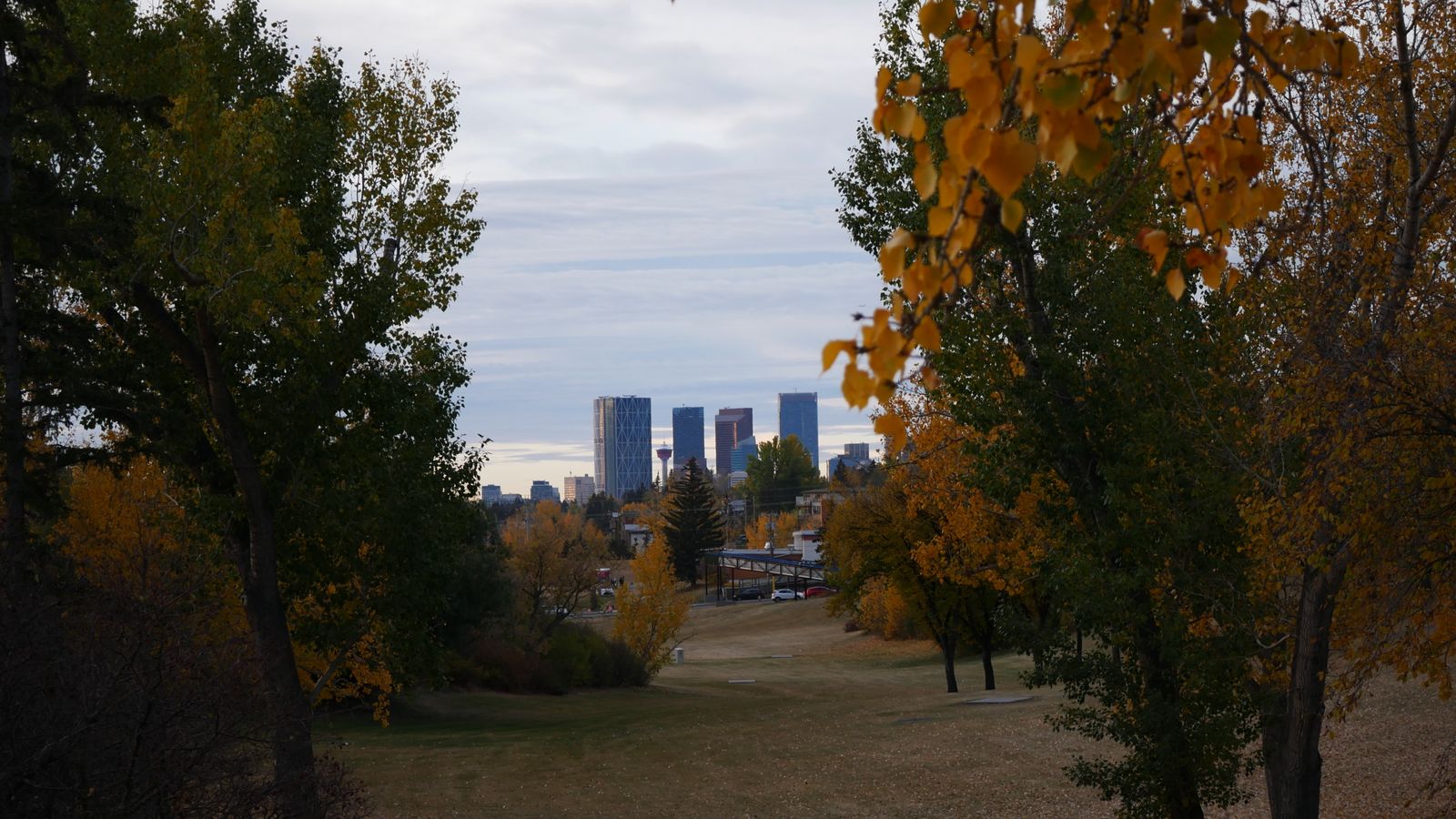
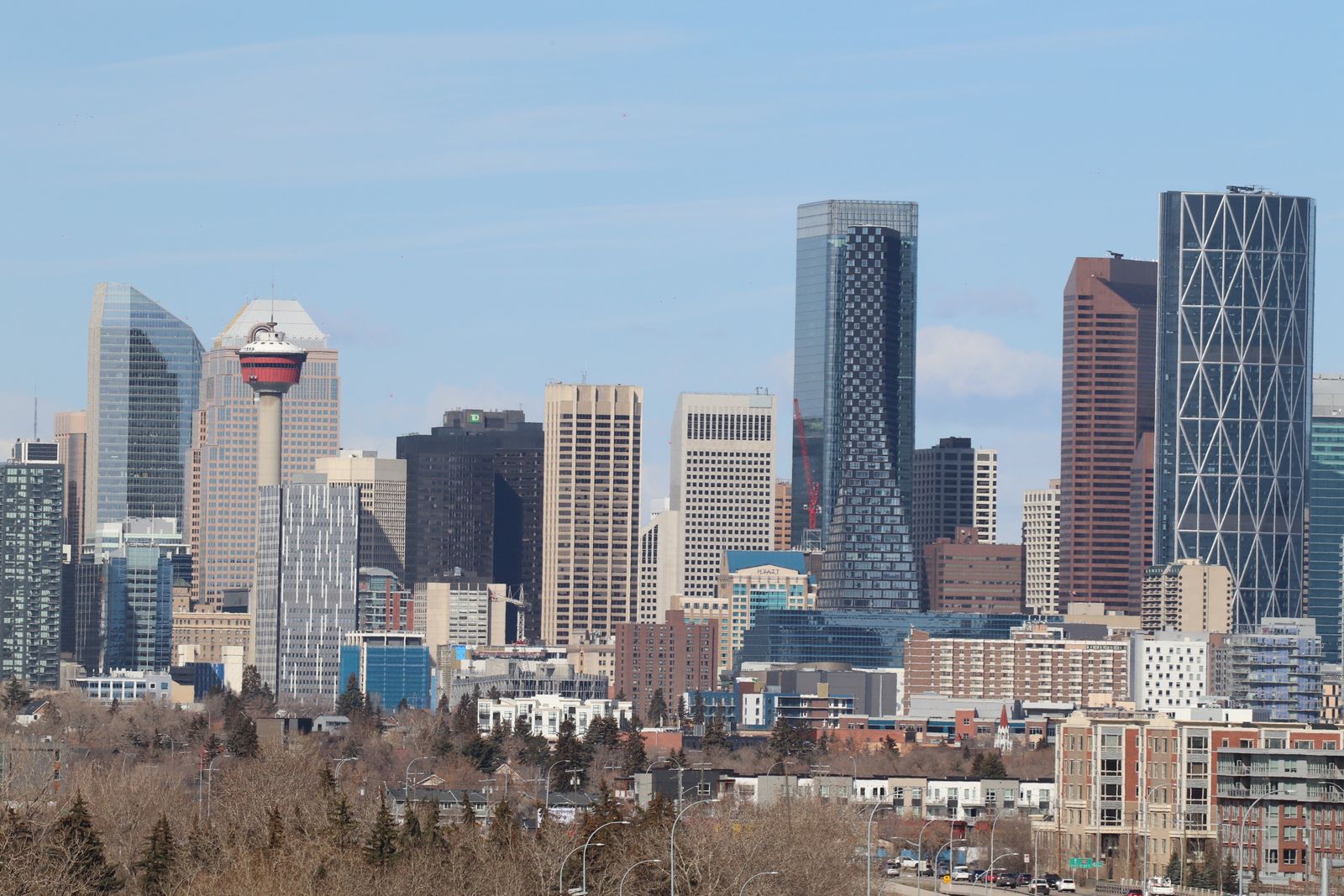
Photo: D. Mulligan, CC BY-SA, via Wikimedia Commons
Author: Michael Smith, Michael Smith Team
Last updated: October 26, 2026
Yes, Calgary repealed its 2024 blanket rezoning, and the repeal took effect on August 4, 2026. Most lots went back to the zoning they had before 2024, unless they qualify for an exemption. The Government of Alberta's October 8, 2026 release says Calgary will be directed to create an overlay. It does not say blanket rezoning must come back. Whether these Calgary zoning changes affect your lot's value depends on your lot's own history, not one citywide answer. Check your address before you assume either outcome.
Update, October 26, 2026: the Province has stepped in. On October 8, 2026, the Government of Alberta said Calgary will keep its current approach after repealing blanket rezoning. The City will be directed to create an overlay that identifies the lands restored to their earlier low-density zones. On October 22, 2026, the Province made Order in Council 353/2026 (Alberta Regulation 255/2026), the City Land Use Bylaw Direction Regulation.
Under the regulation, Calgary must pass a bylaw that creates the overlay within three months of the regulation coming into force. By September 1, 2027, Calgary must finish a review of its Land Use Bylaw against the Province's policy statement on infill development. It must also pass a bylaw that meets the Province's requirements, to the Minister's satisfaction. Until then, Calgary can't pass a bylaw that changes the overall zoning of the overlay. The regulation gives no calendar date for coming into force, so the three months have no fixed end date yet.
The Province's release does not say Calgary must bring blanket rezoning back. It does not rezone any lot, and it does not mention property values.
What did Calgary's rezoning repeal actually change?
In 2024, the City of Calgary rezoned most low-density residential lots to one district called R-CG, short for Residential - Grade-Oriented Infill. On April 8, 2026, City Council voted 12-3 to repeal that blanket rezoning. Since August 4, 2026, most of those lots are back to the zoning they had before 2024, unless they qualify for an exemption.
A land use district is the City's label for what can be built on a lot, such as a single house, a duplex or a rowhouse building. Eight lower-density districts came back into the Land Use Bylaw: R-C1, R-C1L, R-C1N, R-C2, R-1, R-1N, R-2 and R-CGex. The City said about 99% of properties would return to the zoning they had before the 2024 rezoning.
| Rule | Before August 4, 2026 | After August 4, 2026 |
|---|---|---|
| Zoning for most lots rezoned in 2024 | R-CG (citywide rezoning) | Reverts to the lot's pre-2024 district, unless exempt |
| Low-density districts in the bylaw | Removed in 2024 | Restored: R-C1, R-C1L, R-C1N, R-C2, R-1, R-1N, R-2, R-CGex |
| R-CG maximum building height | 11.0 m | 10.0 m, where R-CG still applies |
| R-CG maximum lot coverage | 60% | Up to 55% (depending on density), where R-CG still applies |
| Zero-lot-line building | Allowed | No longer allowed, per the City's summary |
| Rowhouses in R-CG | Permitted again where all the rules are met, and discretionary where they are not. The City says rowhouses "can be a permitted use in R-CG again." | |
| R-CG maximum density | 75 units per hectare | 75 units per hectare, unchanged |
The City's repeal summary says the approved changes to the R-CG zone apply to future developments after August 4, 2026. The figures above come from the City's Repeal of Citywide Rezoning page and the Land Use Bylaw.
When did the repeal take effect, and what does "reverting" mean?
The repeal took effect on August 4, 2026, about four months after Council's April 8 vote. "Reverting" means a lot's zoning label went back to the district it had before the 2024 rezoning. Applications the City received before August 4, 2026 are processed under the zoning that applied before that date.
| Date | What happened |
|---|---|
| May 14, 2024 | Council approves the citywide rezoning |
| August 6, 2024 | The 2024 rezoning takes effect |
| April 8, 2026 | Council votes 12-3 to repeal it (Council minutes) |
| July 2026 | Public hearing on exemptions and follow-up bylaws; it opened July 21, with decisions July 22 to 24 |
| August 4, 2026 | The repeal takes effect |
| October 8, 2026 | Government of Alberta says Calgary will keep its current approach and be directed to create an overlay |
| October 22, 2026 | Order in Council 353/2026 (Alberta Regulation 255/2026) is made |
How do I find my lot's zoning in Calgary?
Use the City of Calgary's Find your land use district tool. Enter your address and it shows your land use district and property information. It is the City's own tool, not a third-party estimate, so start there before you plan a sale or a build.
We tried it with one downtown address. The result gave a district code, a one-sentence description, a "developed area" label and a flood-zone note. Your result will show your own lot's code. The table below lists what the City says each common low-density code is for.
| District code | What the City says it is for |
|---|---|
| R-C1 | Contextually sensitive redevelopment of single-detached homes |
| R-C1L | Single-detached homes on large parcels |
| R-C1N | Single-detached homes on narrow or small parcels |
| R-C2 | Single-detached, semi-detached and duplex homes |
| R-1 | Single-detached homes |
| R-1N | Single-detached homes on narrow or small parcels |
| R-2 | Single-detached, semi-detached and duplex homes |
| R-CG | Single-detached, semi-detached, rowhouses and townhouses |
| R-CGex | The same forms as R-CG, but homes may not include secondary suites or backyard suites |
| R-G | Single-detached, semi-detached and rowhouses |
| H-GO | Residential uses where dwelling units may be attached or stacked within a shared building or cluster of buildings, at a scale consistent with low-density residential districts |
Semi-detached means two homes that share one wall. Land use districts are written into the City's Land Use Bylaw, so the bylaw has the full rules for each code.
If the result looks unclear, confirm with the City's Planning Services Centre before you plan a build or a sale. The same goes if your lot has an active permit or a possible exemption. You can call 403-268-5311, Monday to Friday, 8 a.m. to 4 p.m., or use the live chat on calgary.ca.
Is your lot exempt from the revert?
Some Calgary lots kept R-CG, R-G or H-GO instead of reverting. It comes down to your lot's own permit and rezoning history, so there is no single answer for every property. Use the checklist below, then confirm on the City's tool.
Does this affect my lot? Check these against your address:
- Did your lot receive approval for a development permit, building permit or subdivision application under R-CG, R-G or H-GO zoning before the repeal took effect? If yes, it likely kept that zoning.
- Did you or a previous owner submit a development permit, building permit or subdivision application before the first reading of the repeal bylaw on April 8, 2026? If yes, it likely kept that zoning.
- Was your lot rezoned through an approved rezoning application made by the property owner after August 6, 2024? If yes, it likely kept that zoning.
- Did an approved application come in between January 1 and April 8, 2026? Those parcels were handled through a separate City bylaw, 27P2026, covered in the next section.
- If none of the above applies, your lot most likely reverted to its pre-2024 district on August 4, 2026.
- Confirm your lot's current district on the City's Find your land use district tool.
Two similar-looking lots on the same street can end up with different zoning, because it depends on what each owner filed, and when. That is why this page gives you a checklist, not a blanket answer.
What happened at Council's July 2026 exemption hearing?
At its July 2026 public hearing, which opened July 21, Council passed Bylaws 27P2026 and 28P2026 on exemptions. The first gives R-CG, R-G or H-GO zoning to parcels with approved applications submitted between January 1 and April 8, 2026. The second returns parcels exempted in error, or whose approved permit was overturned on appeal, to their pre-2024 zoning.
The City's summary of Bylaw 28P2026 covers parcels that were exempted in error. It also covers parcels whose approved development permit was overturned on appeal. The window is August 6, 2024 to August 4, 2026. Those parcels go back to the district in effect before blanket rezoning.
Council also refused Bylaw 24P2026, which would have cut R-CG density from 75 to 60 units per hectare. Bylaw 26P2026 passed as well. The City says secondary suites become permitted in all low-density districts. Backyard suites become permitted in R-G and discretionary in other districts.
The City's repeal summary adds that a property can no longer build both a secondary suite and a backyard suite.
Still changing: Council has directed City Administration to bring amending bylaws forward twice a year. These bylaws restore the earlier zoning on exempted parcels that don't go ahead with development. Separately, the Province's regulation bars Calgary from passing a bylaw that changes the overall zoning of the overlay. That lasts until Calgary completes its bylaw review and passes a bylaw that meets the Province's requirements, both due on or before September 1, 2027. Check your lot on the City's tool before you decide anything.
How many units can you build on your lot now?
The City's R-CG maximum density stays at 75 units per hectare. Before the repeal, the City's own R-CG fact sheet said a typical 50-foot lot could hold a maximum of four units, each with the potential for a secondary suite. What fits on your lot today depends on its district and the current rules.
A cut to 60 units per hectare was proposed, and Council did not approve it, so the limit stays at 75. For lots that kept R-CG, the height, lot coverage and zero-lot-line changes in the first table can affect how much actually fits. A suite rule applies too: a property can no longer build both a secondary suite and a backyard suite.
On a lot that is no longer R-CG, the City says a rowhouse needs an approved Land Use Redesignation from City Council. It also needs a development permit and a building permit. A development permit is always required. For the exact rules on your lot, start with the City's land use district tool.
Do Calgary zoning changes affect your lot's value?
There is no single citywide answer on how Calgary's rezoning repeal affects property value. It depends on the lot's current district and its permit and rezoning history. The usual factors that set any property's value matter too, such as location, lot size, age and improvements. The Government of Alberta's October 8, 2026 release does not mention property values.
The City assesses residential property at its market value as of July 1 of the previous year. It looks at age, location, lot size and additions or improvements. It also looks at how close the property is to green space, schools and community services, and at sales of similar properties in the last three years. See the City's Market Value Assessment page for details.
Appraisers also use a general idea called "highest and best use." One test in it is what a property may legally be used for, and that includes zoning. It is a general appraisal idea, not a Calgary formula or a price forecast for any lot.
What's my lot worth under the new rules?
If you want a clearer picture of your own lot, not a citywide estimate, we can help. We'll look at your address and its zoning history, then walk you through your options. Call us at 403-919-2247, email michael@mstrealty.ca, use our online contact form, or request a home valuation if you are thinking of selling.
Should you sell, hold or redevelop under the new rules?
The right move depends on your lot's current district, your goals and your timeline, and there is no single answer for every Calgary lot. This is information, not legal, tax or financing advice. Talk to your lawyer or the City about your specific lot before you decide.
If your lot kept R-CG or a similar district, redevelopment may still be worth exploring. Check it against the updated height, lot coverage and side setback rules first. If your lot reverted to a lower-density district, your current use may still fit comfortably. Or you may want to understand your options before listing. Because two lots on one street can differ, this varies lot by lot, not only community by community.
The same goes for older inner-city lots: check the address, not the neighbourhood. You can browse Calgary neighbourhoods by area, or read about Mount Pleasant and Inglewood.
If selling is on the table, our guide to the cost of selling a house in Calgary walks through what to budget for. Our Calgary real estate FAQ answers other common questions. We're happy to look at your lot with you and talk through selling, holding or redeveloping under the current rules. No pressure either way.
Frequently Asked Questions
Did Calgary repeal blanket rezoning, and what does it mean for my lot?
Yes. Calgary City Council voted 12-3 on April 8, 2026 to repeal the 2024 blanket rezoning, and the repeal took effect on August 4, 2026. Most lots went back to the zoning they had before 2024, unless they qualify for an exemption. What that means for your lot depends on its own permit and rezoning history, so check your address on the City of Calgary's Find your land use district tool.
How does Calgary's rezoning repeal affect property value?
There is no single citywide answer. A lot's value depends on its current district and its permit and rezoning history. Factors such as location, lot size, age and improvements matter too. The Government of Alberta's October 8, 2026 release does not mention property values. For a view of your own lot, we would need to look at your address and its zoning history.
Will Calgary's zoning rules keep changing after August 2026?
Some change is already in motion. Calgary City Council has directed City of Calgary Administration to bring amending bylaws forward twice a year. These bylaws restore the earlier zoning on exempted parcels that don't go ahead with development. Separately, the Government of Alberta's regulation says Calgary must create an overlay within three months of the regulation coming into force. It must also finish its bylaw review by September 1, 2027. Always confirm your lot's status on the City's zoning lookup tool before you decide anything.
My neighbour's lot looks different from mine. Why might the rules apply differently?
Zoning depends on each lot's own permit and rezoning history, not just its street or neighbourhood. One lot might have had an approved permit before the repeal and kept its zoning. A similar-looking lot next door might not have. Check each address separately on the City's lookup tool.
Do I need to do anything right now if I'm not planning to build or sell?
No. The City of Calgary's FAQ says no action is required from property owners. Check your lot's zoning when it matters, such as before a renovation, a build or a sale. That shows which district applies to your address.
Did Calgary lower the R-CG density limit?
No. The City of Calgary says the R-CG limit stays at 75 units per hectare. City Administration proposed 60, and Calgary City Council did not approve it on July 23, 2026. Height, lot coverage and some site rules did change for R-CG lots, so check the City's rules for your lot.
Is there a Calgary rezoning map or lookup I can search by address?
Yes, there is an address lookup. The City of Calgary's Find your land use district tool takes your address and shows your land use district and property information. Open it, enter your address and check the result for your lot.
Did the Province's October 2026 regulation change my lot's zoning?
The Government of Alberta's regulation tells Calgary to create an overlay covering the lots restored by the repeal. It also tells Calgary to finish a bylaw review by September 1, 2027. The Government of Alberta's October 8, 2026 release does not rezone any lot or say Calgary must bring blanket rezoning back. For your lot's district today, use the City's lookup tool.
How does this relate to Calgary's secondary suite amnesty rules?
They are separate. The City of Calgary's secondary suite amnesty waives development permit charges and registration fees for an existing suite. It ends December 31, 2026. The repeal is about which land use district applies to a lot. It also changed some suite rules, such as no longer allowing both a secondary suite and a backyard suite on one property. Check both before you plan a suite.
Sources
- City of Calgary, "Repeal of Citywide Rezoning"
- City of Calgary Newsroom, "Council approves Repeal of Blanket Rezoning (Land Use Bylaw 1P2007 Amendments Implementing Citywide Residential Rezoning)", April 8, 2026
- City of Calgary, "Land use districts / zones" (Find your land use district)
- City of Calgary, Land Use Bylaw 1P2007, Part 5, R-CG District
- City of Calgary, "Market Value Assessment"
- City of Calgary, existing secondary suites page (amnesty)
- City of Calgary, Public Hearing Meeting of Council minutes, March 23 to April 8, 2026 and July 21 to 24, 2026
- City of Calgary Newsroom, release dated May 14, 2024, on Council's approval of citywide rezoning
- Government of Alberta, "Growing neighbourhoods responsibly", October 8, 2026
- King's Printer, Order in Council 353/2026, City Land Use Bylaw Direction Regulation (A.R. 255/2026), October 22, 2026
- Global News, "After weeks of debate, Calgary city council approves repeal of citywide rezoning", April 8, 2026
Curious What Your Calgary Lot Is Worth?
Book a free call. We'll look at your address, its zoning, and your options to sell, hold or redevelop.
Call 403-919-2247 Text Us Book an Appointment
Prefer email? Michael@mstrealty.ca
Categories
Recent Posts