
Alberta Foreclosure Process, Step by Step
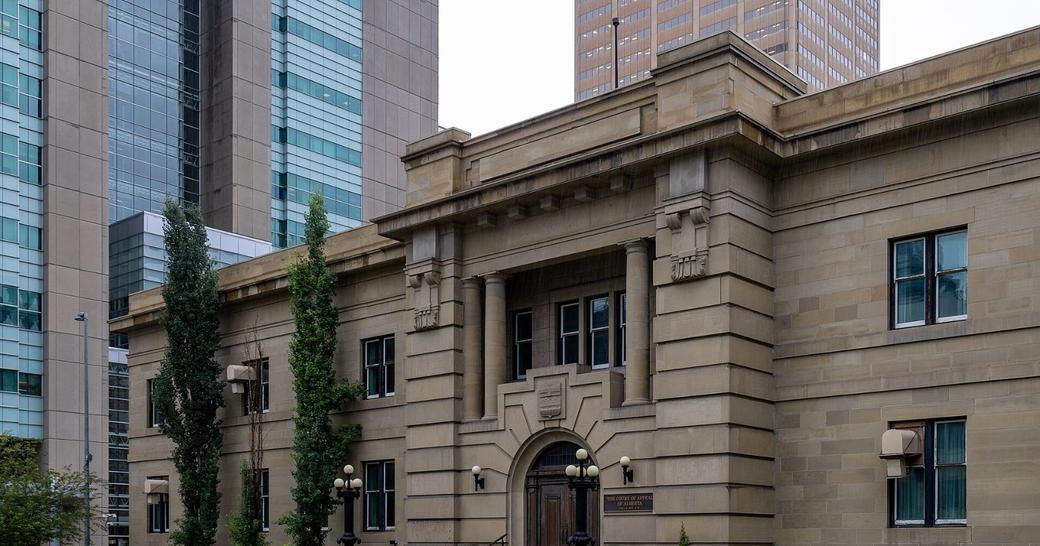
Photo: Chris Woodrich, CC BY-SA 4.0, via Wikimedia Commons (cropped)
By Michael Smith | Last updated: November 2026
In Alberta, foreclosure on a home goes through the court. The lender files a Statement of Claim in the Court of King's Bench of Alberta. For many conventional mortgages, the court's first order sets a redemption date, usually six months from the day the order is granted, and the court can change it. Here is the Alberta foreclosure process.
You have more options and more time than you think. Let's go through them in a confidential, in-person options meeting.
How does the foreclosure process work in Alberta?
Alberta foreclosure is a court process. The lender sues in the Court of King's Bench of Alberta under Part 5 of the Law of Property Act. The court's first order sets the amount owing and a redemption date. If the mortgage isn't paid out by then, the home is sold as the order directs, or the court orders foreclosure.
Here are the steps, in order:
- The mortgage goes into default.
- The lender files a Statement of Claim at the court and serves it on the borrower.
- The lender asks the court for an order and files sworn statements on value and default.
- The court's first order sets the amount owing and the redemption date.
- If the owner doesn't redeem, the property is sold as the order sets out, or the court makes a foreclosure order.
What starts a foreclosure in Alberta?
In Alberta, a default lets the lender start a foreclosure. Missed mortgage payments are the usual cause. The Centre for Public Legal Education Alberta (CPLEA) lists others: unpaid property taxes or condo fees, no insurance on the property, significant damage, or bankruptcy or insolvency.
CPLEA says the lender usually sends a letter demanding that the default be fixed. It also says lenders usually don't foreclose right away, because it is expensive.
How long do I have to respond to a Statement of Claim in Alberta?
As of November 2026, if a Statement of Claim is served on you in Alberta, you have 20 days to respond. The lender files the claim at the Court of King's Bench of Alberta and then serves it on you. If you're served outside Alberta but within Canada, you have one month. Outside Canada, it's two months.
If no response comes in time, the lender can note you in default and carry on without your input.
What happens in court in an Alberta foreclosure?
The lender must file two sworn documents: an Affidavit of Value, an appraisal of the home's current fair market value, and an Affidavit of Default, showing the amount owing and in default. CPLEA lists the orders the court can grant: a redemption and listing order, a foreclosure order, an order confirming a sale, or none if the arrears are paid.
The court's first order (often called an order nisi) sets the amount owing and the redemption date. The lender usually gets a drive-by appraisal. You can get your own appraisal at your own cost, and the court usually considers both when approving a listing price.
If the owner doesn't redeem, the property is sold as the order sets out, often by listing with a real estate agent. The court sets the time, place, manner and price. If the price is more than the mortgage balance, the extra must go to the borrower or any other creditor with a valid claim. In the meantime, interest keeps adding to the amount owing.
If the court orders foreclosure (a final foreclosure order, sometimes called an order absolute), the lender becomes the owner and the owner's right to redeem ends. CPLEA says that if the court orders the property transferred or sold, you usually have about 30 days to move out.
We can go through your own options together, in a confidential, in-person meeting.
What is the redemption period in Alberta?
The redemption period in Alberta is the time the court's first order gives an owner to pay what is owed. As of November 2026, for many conventional mortgages, the court's first order sets a redemption date usually six months from the day the order is granted, and the court can shorten or extend it.
The clock runs from the court's order, not from the missed payment or the Statement of Claim. The court can shorten or extend the period. For a home, it can look at the owner's ability to pay, the value of the land, and whether the missed payments came from unemployment or other conditions beyond the owner's control.
During the redemption period, an owner may be able to end the process by repaying the arrears plus the lender's costs, refinancing with a different lender, or selling the property. Usually only the arrears and the lender's costs are needed. Where the whole mortgage is due, for example because it has matured, the full amount owing may be needed. We cover the selling route in selling before foreclosure in Calgary.
Do conventional and high-ratio mortgages work differently in an Alberta foreclosure?
Yes, in Alberta. An insured, high-ratio mortgage is usually one where the down payment was under 20 per cent and the lender required mortgage insurance. These mortgages don't get the default redemption period or the shortfall protection that conventional mortgages have, so the lender can pursue the owner for a shortfall.
| Question | Conventional (uninsured) mortgage | Insured, high-ratio mortgage |
|---|---|---|
| Default redemption period | Usually six months from the court's first order, and the court can shorten or lengthen it. | No default period. The court decides whether to give the owner any time. |
| Shortfall (deficiency judgment) | None for an individual, even if the home is worth less than what is owed. | The lender can get one for the shortfall. |
LawNow says that where the lender faces a shortfall, the court will usually refuse a six-month period and give a much shorter time.
How long does foreclosure take in Alberta?
It varies from case to case. The Centre for Public Legal Education Alberta (CPLEA) says foreclosure can take less than three months to a year or more. The legal clock for the redemption period starts when the court grants its first order, not when a payment is missed. CPLEA also says lenders usually don't foreclose right away, because it is expensive.
| Step | What happens | Who acts | Time | Where selling fits |
|---|---|---|---|---|
| 1. Default | A mortgage term is broken, often a missed payment. | Owner. | CPLEA says lenders usually don't foreclose right away. | You can sell and use the proceeds to repay the amount owing. |
| 2. Demand letter | CPLEA says the lender usually sends a letter demanding the default be fixed. | Lender. | Varies. | Selling is one of the four choices CPLEA lists. |
| 3. Statement of Claim | The claim is filed and served. | Lender. | 20 days to respond if served in Alberta. | Your right to pay out the mortgage, including by selling, generally continues until the court confirms a sale. |
| 4. Lender applies to court | Affidavit of Value and Affidavit of Default are filed. | Lender. | Varies. | The Alberta Law Review notes that a notice of the lawsuit registered on title can affect the price a buyer will pay. |
| 5. Court's first order | Sets the amount owing and the redemption date. | Court. | Varies. | LawNow says selling yourself may get a better price than a court-run sale. The Alberta Law Review calls that conventional thinking. |
| 6. Redemption period | The owner may be able to end the process by repaying the arrears and the lender's costs, refinancing or selling. | Owner. | Usually six months for many conventional mortgages; the court can change it. | Selling is a recognized route, alongside paying the arrears or refinancing. |
| 7. Sale or final order | The property is sold as the order sets out, or the court orders foreclosure. | Court and lender. | Varies. | Your right to redeem generally ends once the court confirms a sale. |
| 8. Move out | After a transfer or sale order, the new owner can use a civil enforcement agency. | New owner. | Usually about 30 days after the order, CPLEA says. | After a foreclosure order, the owner's right to redeem ends. |
Where does selling fit in the foreclosure process?
In an Alberta foreclosure, you can sell the property and use the proceeds to repay the amount owing. Your right to pay out the mortgage, including by selling, generally continues until the court confirms a sale, and the court can postpone the deadline. The table above shows where selling fits at each step.
What I tell people
It's almost always better to sell than to let the bank foreclose. You have more options and more time than you think.
Here's how selling lines up on equity, credit and timing.
- Your equity. The Financial Consumer Agency of Canada says selling can let you access the equity you have in your home. Once the mortgage and anything else registered against the home are paid from the sale, what is left is generally yours. If the court orders foreclosure instead, the lender becomes the owner and your right to redeem ends.
- Your credit. Selling doesn't erase late payments already reported. Equifax Canada says late payments stay on a credit report for up to six years from the date reported, even if the balance is later paid. LawNow says a deficiency judgment is reported on the credit report in Alberta and lowers the score. In Alberta, individuals with an insured, high-ratio or National Housing Act mortgage can be liable for a deficiency judgment; individuals with a conventional mortgage cannot.
- Your timing. In a sale you arrange, you decide when to list and which offer to accept, and your right to pay out the mortgage generally continues until the court confirms a sale.
LawNow says a home you sell yourself may get a better price than a court-run sale, which can reduce any shortfall. The Alberta Law Review calls that conventional thinking and notes that a notice of the lawsuit registered on title can affect the price a buyer will pay. Read more in selling before foreclosure in Calgary. If you've only just fallen behind, start with your options when you're behind on payments. If you already know you want to sell, see selling your Calgary home.
Frequently asked questions
How does foreclosure work in Alberta?
After a default, the lender can start a lawsuit, called a Statement of Claim, in the Court of King's Bench of Alberta and needs a court order. The court's first order sets the amount owing and a redemption date. If the mortgage isn't paid out by then, the home is sold as the order directs, or the court orders foreclosure.
How long does foreclosure take in Alberta?
It varies from case to case. The Centre for Public Legal Education Alberta (CPLEA) says foreclosure can take less than three months to a year or more. The redemption period's legal clock starts when the court grants its first order, not when a payment is missed. CPLEA also says lenders usually don't foreclose right away, because it is expensive.
What is the redemption period in Alberta?
It is the time the court's first order gives an owner to pay what is owed. For many conventional mortgages, the court's first order sets a redemption date usually six months from the day the order is granted, and the court can shorten or extend it. Insured, high-ratio mortgages have no default period, and the court decides whether to give any time.
How long do I have to respond to a Statement of Claim in Alberta?
If you are served in Alberta, you have 20 days to respond. The time is one month if you are served outside Alberta but within Canada, and two months outside Canada. If no response comes in time, the lender can carry on without your input.
Am I liable for the shortfall after foreclosure in Alberta?
It depends on the mortgage. In Alberta, on a conventional (uninsured) mortgage to an individual, the lender has no right to a deficiency judgment, even if the property is worth less than what is owed. On an insured, high-ratio mortgage, the lender can get a deficiency judgment for the shortfall. A deficiency judgment can be enforced for ten years, and LawNow says the lender or insurer can apply to renew it.
Can I sell my house during foreclosure in Alberta?
Yes. In Alberta, you can sell the property and use the proceeds to repay what is owed, and selling is a recognized route during the redemption period. The right to pay out the mortgage, including by selling, generally continues until the court confirms a sale.
Sources
- Law of Property Act, RSA 2000, c L-7, Part 5 (Alberta King's Printer)
- Alberta Rules of Court, Alta Reg 124/2010, Division 5 (Rules 9.30 to 9.36) and Rules 3.30 to 3.36
- CPLEA, Foreclosures booklet (2020)
- LawNow, High Ratio vs. Conventional Mortgages (2023)
- LawNow, Deficiency Judgments in Mortgage Proceedings (2024)
- Anna Lund, (2023) 60:4 Alberta Law Review 905
- Equifax Canada, How long does information stay on your credit report?
- Financial Consumer Agency of Canada, Mortgage relief options
Let's go through your options, in person
Book a confidential, in-person options meeting with the Michael Smith Team. It takes about 15 minutes. Call or text 403-919-2247, or book online.
Call 403-919-2247 Text Us Book an Appointment
Prefer email? Michael@mstrealty.ca
This page is general information, not legal advice.
Categories
Recent Posts