Got a Foreclosure Notice or Statement of Claim in Alberta? Your Next Steps

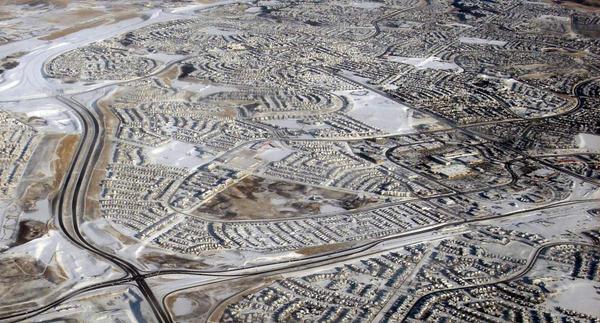
Photo: Ultimateshot, CC BY-SA 3.0, via Wikimedia Commons (cropped)
By Michael Smith | Last updated: November 2026
A foreclosure Statement of Claim is the lender's lawsuit, filed in the Court of King's Bench. If you're served in Alberta, you have 20 days to respond. The claim doesn't mean the home is gone. A court makes the decisions that come later. Selling is one practical route.
Just been served? Everybody's situation is unique, so let's look at yours in a confidential, in-person options meeting.
What is a Statement of Claim for a mortgage in Alberta?
A Statement of Claim is the document that starts a foreclosure lawsuit in Alberta. The lender files it in the Court of King's Bench and serves it on you. The Alberta Law Review says the claim sets out the facts and the remedies the lender wants. It's the start of the court process, not a decision.
The first page carries a notice that says, "You are being sued. You are a defendant." That's a hard line to read. But there's a set process behind it, with steps and timing. A claim must be served within one year after it is filed, so it can reach you some time after the lender files it.
Is a foreclosure notice the same as a Statement of Claim?
No. People say "foreclosure notice" for any paper that arrives, but they are different. CPLEA says the lender usually sends a letter first, demanding that the default be fixed. The Statement of Claim is different. It starts the lawsuit, so the court process has begun. The stage before it is covered in what happens after a missed payment.
How many days do I have once I'm served in Alberta?
If you're served in Alberta, you have 20 days to respond. The 20 days start from the date of service. Papers can be served by being left with you, in which case service happens on that date, or by recorded mail, in which case it happens on the date you sign for them. You get longer if you're served elsewhere.
| Where you are served | Time to respond |
|---|---|
| In Alberta | 20 days |
| Outside Alberta, within Canada | One month |
| Outside Canada | Two months |
The notice to the defendant on the Statement of Claim form lists the same three time limits.
What are my choices once I'm served in Alberta?
The Alberta Rules of Court give you two ways to respond. A Statement of Defence disputes the claim. A Demand for Notice doesn't contest the debt, but it entitles you to notice of later applications. Both are filed and served within the response time.
A Demand for Notice has limits. Filing one doesn't give you a right to contest liability, and you can file a Statement of Defence later only with the Court's permission. Judgment or an order can be given against you only if the lender applies and serves you with notice. The Rules also allow a defendant to file a notice giving an Alberta address where later documents can be served.
CPLEA lists four choices for an owner: work it out with the lender, do nothing, sell the property and use the proceeds, or go to court. Those are the broad paths.
What does my first month after being served look like?
The first month comes down to one date and one decision. The date is the day you were served. The decision is how to respond. The claim starts the process, and any court order comes after the lender applies. Here's what the Rules provide, in order:
- The papers are served, for example by being left with you or sent by recorded mail.
- The response time begins: 20 days if you were served in Alberta.
- A Statement of Defence or a Demand for Notice can be filed and served within that time.
- If neither is filed, the lender can ask the court clerk to note you in default.
- Before the lender applies for a redemption, sale or foreclosure order, it must usually file supporting documents with the court, such as an affidavit of value.
- If you responded, the lender must serve you with notice of its applications.
The orders the court can make, the redemption period and the sale are all covered in the whole foreclosure process, step by step.
Want to see what your own options look like? We'll go through them with you in a confidential, in-person meeting.
What happens if I don't respond within 20 days?
The lender can ask the court clerk to note you in default and carry on without your input. In a foreclosure action, the lender has to note you in default before it applies for personal judgment. The claim form says a court may give judgment to the lender if no response is filed in time.
Even then, the lender still has to serve you with notice of certain applications. These include applications for a redemption order, a sale order or a foreclosure order, and any application for personal judgment. The next court steps are in the process guide linked above.
Is what the claim says about my mortgage correct?
Don't assume it is. LawNow says a Statement of Claim may wrongly describe a mortgage as high-ratio insured, because lawyers sometimes use boilerplate. That matters because the lender can get a deficiency judgment on a high-ratio insured mortgage, but has no right to one on a conventional mortgage to an individual.
Insured (high-ratio) mortgages are usually the ones where the down payment was under 20% and the lender required mortgage insurance. The amount owing in a foreclosure includes principal, accrued interest and, because most mortgages say so, the lender's legal costs. It can include taxes and condo fees too. If you suspect the total is more than the home is worth, read if you owe more than the home is worth.
Can I sell my house after I've been served in Alberta?
Yes. You can sell the property and use the proceeds to repay the amount owing. In Alberta, your right to pay out the mortgage, including by selling the home yourself, generally continues until the court confirms a sale, and the court can postpone the deadline. Selling the property yourself is a recognised route during the redemption period, alongside paying the arrears or refinancing.
Michael's view
Keep your pride intact and do it the right way. A home that gets full marketing can draw more buyers, and more demand can mean more money in your pocket. In my experience, that difference can run to tens of thousands of dollars.
On the money side, selling can let you access the equity you have in your home (FCAC). Once the mortgage and anything else registered against the home are paid from the sale, what's left is generally yours. When you sell, the existing mortgage has to be discharged. Once that is done, the lender's rights are removed from the property. During the redemption period, selling is one of the ways an owner may be able to bring the process to an end.
We walk through the steps in how selling works when you're behind. The court's clock and what follows it are in the process guide linked above.
Can we go through your options in person?
Yes. The Michael Smith Team in Calgary holds a confidential, in-person meeting that takes about 15 minutes. We look at whether selling is viable for you, what a sale could realistically look like and what you might walk away with, and what the foreclosure route would likely bring.
Then we pull the data for your area, to see how much a well-marketed sale could change. If you're earlier in the story, start with your options when you're behind on payments.
Frequently asked questions
Does a Statement of Claim mean I'll lose my home?
Not by itself. In Alberta, foreclosure on a home goes through the court, so a court decides what happens, not the claim itself. The claim starts the process, and any order comes after the lender applies to the court. Selling is one route while that plays out. Every situation is different, and nobody can promise how a court will rule.
What if I was served outside Alberta?
You get more time. It's one month if you were served elsewhere in Canada and two months if you were served outside Canada, compared with 20 days in Alberta. The claim form lists the same limits. In each case you can respond with a Statement of Defence or a Demand for Notice.
What is a Demand for Notice?
It's a response that doesn't contest the debt but entitles you to notice of later applications. Under the Rules, filing one doesn't give you a right to contest liability, and you can file a Statement of Defence later only with the Court's permission. If a defendant files neither response, the lender can ask to note them in default.
Do I have to move out when I get a Statement of Claim?
Not on the day it arrives. CPLEA says that if the court orders the property transferred or sold, you usually have about 30 days to move out, and after that the new owner can use a civil enforcement agency. A court order comes only after the lender applies to the court.
Sources
- Alberta Rules of Court (Alberta King's Printer), including Rules 3.26 to 3.41, 6.5, 9.30, 9.31, 11.5, 11.24 and Form 10
- CPLEA, Foreclosures booklet (2020)
- LawNow, High Ratio vs. Conventional Mortgages
- Anna Lund, Alberta Law Review
- Financial Consumer Agency of Canada, selling your home when you are behind on your mortgage
Just been served? Let's go through it in person
Book a confidential, in-person options meeting with the Michael Smith Team in Calgary. Call or text 403-919-2247, or book online. It takes about 15 minutes.
Call 403-919-2247 Text Us Book an Appointment
Prefer email? Michael@mstrealty.ca
This page is general information, not legal advice.
Categories
Recent Posts