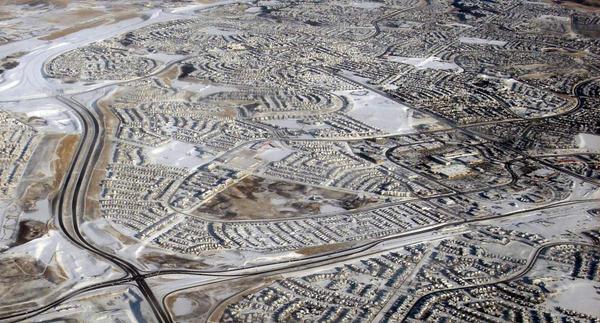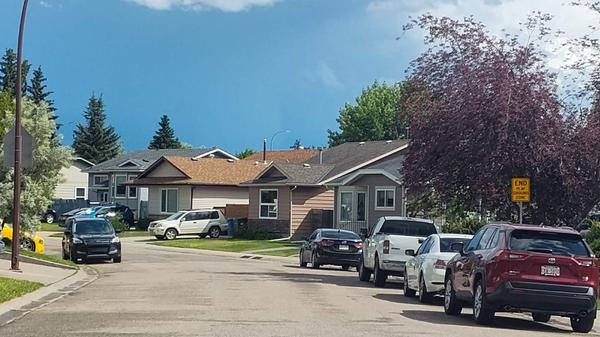
Buying a House in Calgary Step by Step: The 10 Steps and What Each Costs (2026)
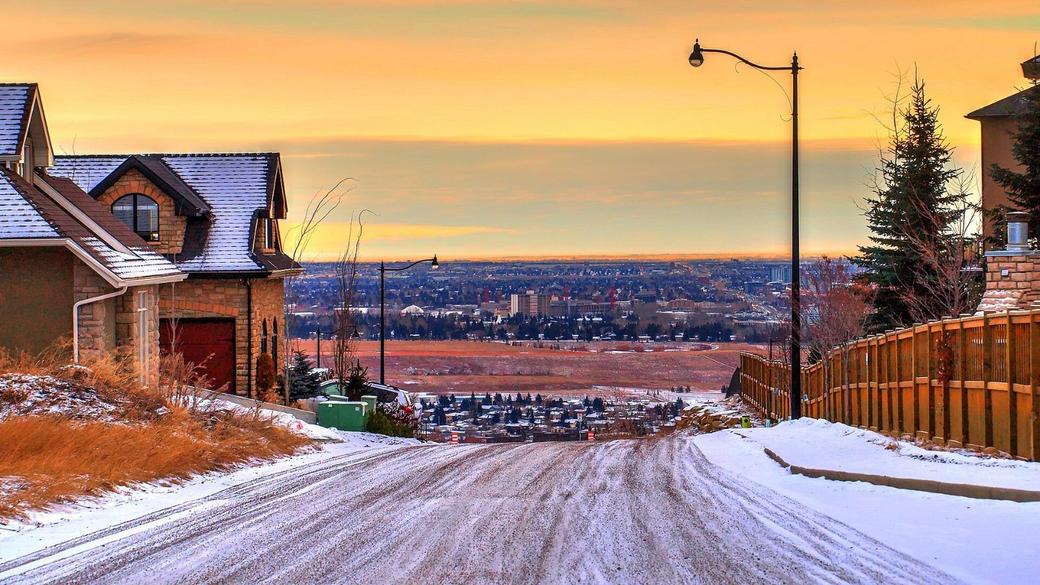
Buying a house in Calgary takes 10 steps, from your budget to possession day. The minimum down payment is $45,000 on a $700,000 home, $75,000 on $1,000,000, and 20% ($300,000) at $1,500,000 or more. Closing costs add 1.5% to 4% of the price on top.
Watch the $1.5 million line. A $1,499,999 home needs about $125,000 down. A $1,500,000 home needs $300,000. First home, next home or a move from another province, you get a real number at each step, a day-by-day calendar for the conditional offer, and a short list for out-of-province buyers. Quick answers are in our Calgary Real Estate FAQ.
By Michael Smith, Michael Smith Team, Calgary
Last updated: November 26, 2026
How to Buy a House in Calgary: The 10 Steps
The purchase runs in 10 steps: set your budget, get pre-approved, use the first-time programs, choose an agent, find a home, write the offer, clear conditions, inspect, hire your lawyer and take possession. The table gives the Calgary number for each step, and the sections after it cover the conditional offer calendar and buying from out of province.
| Step | What happens | The Calgary number |
|---|---|---|
| 1. Know your number | Minimum down payment is 5% of the first $500,000 plus 10% up to $1.5 million; 20% at $1.5 million or more. | $45,000 down on $700,000; $75,000 on $1,000,000; $300,000 on $1,500,000 |
| 2. Get pre-approved | Lenders qualify you at the greater of your rate plus 2%, or 5.25%. | CMHC premium 4.00% of the loan at 5% to 9.99% down |
| 3. Use first-time programs | FHSA, Home Buyers' Plan, and the GST/HST rebate on new homes. | $8,000 a year FHSA; $60,000 HBP; up to $50,000 GST rebate |
| 4. Choose your agent | The seller's commission covers the buyer's agent. | $0 to you |
| 5. Search and view homes | Browse by quadrant and community inside your pre-approved range. | Your Step 2 limit |
| 6. Write the offer | Price, deposit, conditions with a Condition Day each, and a Completion Day. | Deposit into trust within 3 business days |
| 7. Clear your conditions | Written notice by each Condition Day. | Financing about 10 days; subject-to-sale 30 to 90 days |
| 8. Inspect and sign off financing | A licensed home inspector does the inspection condition. | Trades quotes about 10 days |
| 9. Hire your lawyer | Your lawyer handles the closing money and the Land Titles transfer. | $1,360 in Land Titles fees on $700,000 with 20% down |
| 10. Take possession | Vacant possession and full payment on the Completion Day. | 12 noon |
Step 1. Know Your Number
Your minimum down payment is 5% of the first $500,000 plus 10% of the price between $500,000 and $1.5 million. At $1.5 million or more it's 20%. Down payments under 20% need CMHC mortgage insurance, a one-time premium charged on the loan. CMHC's rate is 4.00% when you put down 5% to 9.99%, and you can add it to the mortgage.
| Price | Minimum down | Share of price | CMHC premium (4.00%) | Mortgage with premium added |
|---|---|---|---|---|
| $700,000 | $45,000 | 6.43% | $26,200 | $681,200 |
| $1,000,000 | $75,000 | 7.5% | $37,000 | $962,000 |
| $1,500,000 | $300,000 | 20% | None | $1,200,000 |
Insured mortgages are for prices below $1,500,000; the cap rose from $1,000,000 on December 15, 2024. Premium = 4.00% of the loan after your down payment ($655,000 on $700,000; $925,000 on $1,000,000).
Plan your closing costs separately: 1.5% to 4% of the price, which is $10,500 to $28,000 on $700,000 and $15,000 to $40,000 on $1,000,000. Our closing costs guide breaks it down line by line.
Step 2. Get Pre-Approved and Pass the Stress Test
A pre-approval tells you how much the bank is willing to lend you. We'd get one before we looked at a single home, so the price range is real from day one.
Lenders qualify you at the greater of your mortgage rate plus 2%, or 5.25%. For a CMHC-insured mortgage, your housing costs can't pass 39% of your income and all your debts together can't pass 44%. At least one borrower needs a credit score of 600, and the standard amortization is 25 years.
The CMHC premium drops as your down payment grows: 3.10% at 10% to 14.99% down, 2.80% at 15% to 19.99%. A first-time buyer or a buyer of a new build can choose a 30-year amortization, and the premium at 5% to 9.99% down becomes 4.20%. On $700,000 that's $27,510 instead of $26,200. A repeat buyer gets 30 years only on a new build.
Step 3. Use the First-Time Programs That Fit
Three programs cut what you pay. All three are for first-time buyers, and our first-time buyer incentive episode covers them in full.
- FHSA. $8,000 a year, $40,000 lifetime, for your first home.
- Home Buyers' Plan. Withdraw up to $60,000 from your RRSP and repay it over 15 years. First withdrawals from 2026 to 2028 start repaying in the fifth year after the withdrawal year.
- GST/HST rebate. New homes only: up to $50,000, a full GST rebate at $1,000,000 or below, shrinking between $1,000,000 and $1,500,000 and gone at $1,500,000. A resale home has no GST.
Step 4. Choose Your Agent
Your agent costs you nothing. The seller's commission covers the buyer's agent, and the Financial Consumer Agency of Canada says the same: the seller pays the realtor's fees when you buy a home.
What we'd do: pick an agent who knows market conditions and knows construction, including what to look for in homes of different ages. That knowledge saves buyers headaches, hassles and a lot of money. Whoever you choose, get a written service agreement. It spells out what your agent does and how they're paid.
Step 5. Search and View Homes
Calgary is big enough that no single story covers the market. Condos, townhomes, duplexes, starter homes, single-family homes and acreages each have their own story, and so does each quadrant and community. Browse by area in our Calgary neighbourhoods guide.
What we'd do: buy a home that works for you now and grows in value, so your equity builds along with your payments. Buying the dream home as your first home almost never happens. Your second or third home can be the dream home, instead of chasing a down payment for a price you'll never catch.
Step 6. Write the Offer
An offer sets the price, your deposit, your conditions with a Condition Day for each, and the Completion Day. Your deposit is part of the price, the amount and date are written into the contract, and it goes into a trust account within 3 business days. It earns no interest.
The contract binds both sides once the accepted copy is delivered in person, faxed or emailed.
Step 7. Clear Your Conditions
Conditions protect you while you check the financing, the house and the paperwork. Each one has a Condition Day, and you have to give written notice by then. The full day-by-day timeline is in the next section.
What we'd do: have a realistic conversation up front with the people whose job is to get you the best home. We ask a lot of questions because we care. The answers let us connect the dots and build the approach that works for you, not for the next buyer.
Step 8. Inspect the Home and Sign Off Financing
Alberta licenses home inspectors and inspection businesses. Check that the business is bonded and carries errors and omissions insurance, then get a written contract and a written report. The inspection condition in the standard contract is done by a licensed home inspector.
Our trades-quote window is about 10 days. A condo document review runs a couple hundred dollars for a lawyer or specialist to go through it. Buying a condo? Read about special assessments before closing. Buying an older home? See our guide to Poly-B and knob-and-tube insurance and financing.
Step 9. Hire Your Lawyer and Budget for Closing
Your lawyer handles the closing money and registers the transfer at Land Titles. You pay by your lawyer's trust cheque or bank draft.
Alberta charges Land Titles registration fees, not a land transfer tax. On a $700,000 home with 20% down, the transfer is $750 and the mortgage registration is $610, $1,360 in all. See how that compares in our Alberta vs BC land transfer tax guide.
The seller pays for the Real Property Report with the closing documents where one is required. Our Real Property Report guide explains what it is.
Step 10. Take Possession
You get vacant possession at 12 noon on the Completion Day, and full payment is due the same time. The seller warrants the home is in substantially the same condition as when the contract was accepted.
The seller carries property tax, utilities and condo fees through the whole Completion Day, and you carry them after. Your lawyer sorts out the property tax change, and you check the statement of adjustments. Join the City's TIPP monthly payment plan for your new address by the 20th of the month. Assessments arrive in January and tax bills in May.
Want more on what comes after the keys? Michael's things I wish I knew before I bought a home episode covers it.
Conditional Offer Timeline: What Happens Day by Day
A conditional offer in Alberta runs on one rule: every condition has a Condition Day, and your written notice has to arrive by it. If it doesn't, the contract ends after the time of that Condition Day, and nobody can revive it. A new agreement is the only way back in. The calendar below runs from accepted offer to possession.
Condition Day: the date and time you and the seller agree on for giving written notice that a condition is satisfied or waived.
| When | What happens | If it goes wrong |
|---|---|---|
| Day 0: offer accepted | The accepted contract is delivered in person, faxed or emailed. Both sides' obligations begin on delivery. | Obligations start only when the accepted contract is delivered. |
| Within 3 business days of the trustee receiving it | Your deposit goes into a trust account. It earns no interest. | If your deposit is late, the seller can cancel by written notice. If the seller accepts the deposit, even late, that option ends. |
| Day 1 to Condition Day | You work through your conditions: financing, property inspection, sale of your own property, and any additional ones. | Notice that a condition won't be met ends the contract on that notice. |
| Condition Day (one date and time per condition) | You give written notice that the condition is satisfied or waived, on or before its Condition Day. | No notice, and the contract ends after the time of that Condition Day. Your deposit goes to you. |
| All conditions removed: the deal is firm | Every condition is satisfied or waived, and you're bound to complete the purchase. | If you fail to close after conditions are satisfied or waived, the deposit goes to the seller. |
| Completion Day, 12 noon | Vacant possession and full payment, by your lawyer's trust cheque or bank draft. | Property tax, utilities and condo fees are the seller's through the whole day and yours after. |
How Many Days Does Each Condition Get?
The dates are whatever you and the seller write in. Our windows are a financing condition of about 10 days, a subject-to-sale condition of 30 to 90 days, and trades quotes of about 10 days. The 48-hour clause is the most common, and some go as low as 24 hours or as high as 72 business hours.
Every condition, from financing to wood foundations, is explained in Michael's Corner Episode 2: Common and Uncommon Conditions in the Purchase Contract.
Buying a House in Calgary From Out of Province
You can buy a Calgary house from another province: the accepted contract takes effect when it's emailed, so your offer and signing can happen from where you are, with a Calgary agent, an Alberta-licensed inspector and an Alberta lawyer handling the local work. Alberta charges Land Titles registration fees, not a land transfer tax. Eight steps follow.
- Hire a Calgary agent first. Your agent costs you nothing, since the seller's commission covers it. Sign a written service agreement so you know what your agent does and how they're paid.
- Get pre-approved. The stress test is the same: the greater of your rate plus 2%, or 5.25%.
- Send your offer by email. The accepted contract binds both sides once it's delivered by email, so offers and signing can happen from where you are.
- Run the same conditions calendar. Condition Days and written notices work exactly as in the table above.
- Book an Alberta-licensed inspector. The inspection condition is done by a licensed home inspector.
- Use an Alberta lawyer for closing. Your lawyer handles the closing money and registers the transfer at Land Titles.
- Skip the land transfer tax. Alberta charges Land Titles registration fees, not a land transfer tax. Moving from BC or Ontario? Our guide to Calgary closing costs for BC and Ontario buyers shows the difference.
- Set up property tax for the new address. Join TIPP by the 20th of the month.
Already Own a Home? Buying Your Next One
If you own a home today, buying your next one comes down to two clauses and one amortization rule. Our subject-to-sale window runs 30 to 90 days, most 48-hour clauses give you 48 hours, and a repeat buyer gets the 30-year CMHC amortization only on a new build.
Downsizing or moving up? Here's the order that matters
You need top dollar for the home you own and the right next home. Two clauses from Michael's Ep 2 matter most when a sale and a purchase have to line up. Our buy first or sell first guide walks through both orders.
- Subject-to-sale condition. Your offer depends on selling your current home, and our window is 30 to 90 days.
- 48-hour clause. Most give you 48 hours. Some go as low as 24 hours or as high as 72 business hours.
- Amortization. A repeat buyer gets the 30-year CMHC amortization only on a new build.
What we'd do: price your current home right. Leaving a big buffer for negotiation chases away the traffic, and an appraisal can come in well under the price.
Frequently Asked Questions
How much do you need to buy a house in Calgary?
To buy a house in Calgary you need a minimum down payment of $45,000 on a $700,000 home and $75,000 on $1,000,000, plus closing costs of 1.5% to 4% of the price: $10,500 to $28,000 on $700,000 and $15,000 to $40,000 on $1,000,000. At $1,500,000 or more you need 20% down.
What is the highest price you can buy in Calgary with less than 20% down?
Insured mortgages, the ones with less than 20% down, are for homes priced below $1,500,000. The cap rose from $1,000,000 on December 15, 2024. A $1,499,999 home needs about $125,000 down, and a $1,500,000 home needs $300,000, so $1,500,000 is where default-insured mortgages stop.
How long does it take to buy a house in Calgary?
The dates in your purchase contract run the show: a Condition Day for each condition and a Completion Day when possession passes at noon. Our windows are about 10 days for a financing condition and 30 to 90 days for a subject-to-sale condition. The Completion Day is whatever you and the seller write in.
What does a lawyer do when you buy a house in Calgary?
Your lawyer handles the closing money and registers the transfer at Land Titles. The standard purchase contract has you pay by your lawyer's trust cheque or bank draft, and your lawyer sorts out the property tax change through the statement of adjustments.
How long do conditions last on an offer in Alberta, and what happens if one isn't removed?
In Alberta, each condition on an offer has its own Condition Day. Our windows are about 10 days for financing and 30 to 90 days for a subject-to-sale condition. If your written notice doesn't arrive by the Condition Day, the contract ends, nobody can revive it, and your deposit goes to you.
Can you buy a house in Calgary from another province?
Yes. Hire a Calgary agent, get pre-approved, and send your offer by email, since an accepted contract takes effect when it's emailed. Use an Alberta-licensed inspector and an Alberta lawyer for closing. You pay no land transfer tax, only Land Titles fees.
Does Alberta have a land transfer tax?
No. Alberta charges Land Titles registration fees, not a land transfer tax. On a $700,000 home with 20% down, the transfer fee is $750 and the mortgage registration fee is $610, which is $1,360 in all. Our guide compares Alberta with BC.
Sources
- CMHC, Purchase and Home Start.
- Financial Consumer Agency of Canada, Buying a home.
- Alberta Real Estate Association, Residential Purchase Contract.
- Government of Alberta, Hiring a home inspector and the Land Titles fee schedule.
- Canada Revenue Agency, FHSA and Home Buyers' Plan.
- City of Calgary, New homeowner's guide.
Photo: Michael (MSVG, Flickr), CC BY 2.0, via Wikimedia Commons
Buying a House in Calgary?
Call or text and we'll start with your budget and timeline, match you to areas that fit, then walk you through your 10 steps.
Call 403-919-2247 Text Us Book an Appointment
Prefer email? Michael@mstrealty.ca
Categories
Recent Posts